Recovery Tips After Dental Implants in Calabasas CA
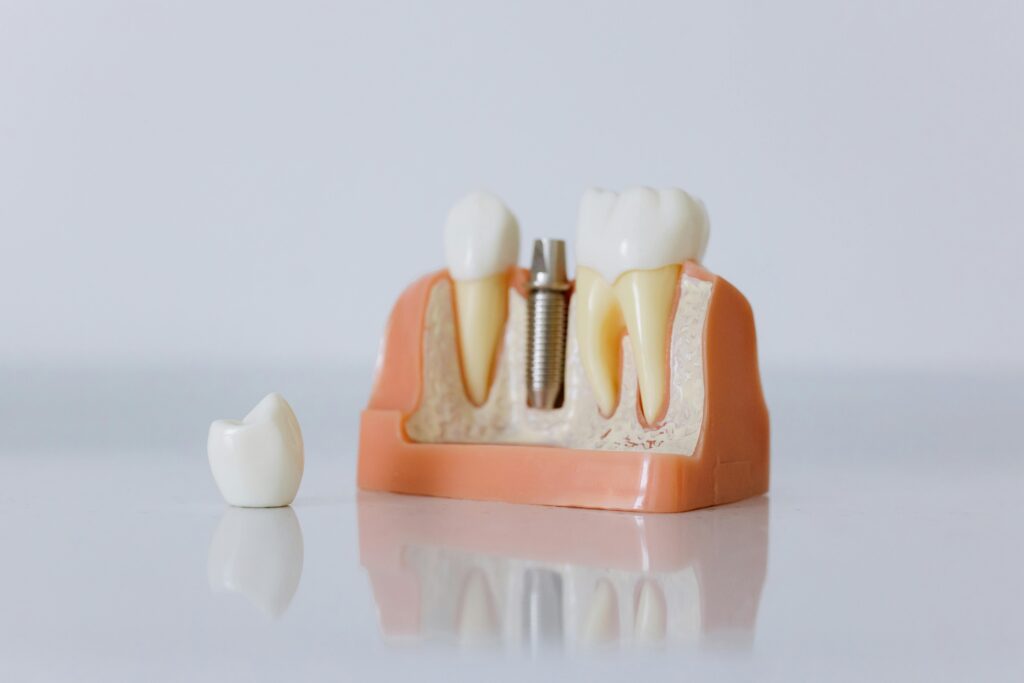
Getting a dental implant is a major step toward restoring comfort, function, and confidence. The procedure itself matters, of course, but the recovery period often determines how smooth the overall experience feels. Patients are sometimes surprised by that. They expect the surgery to be the hard part, then realize that healing has its own rhythm, rules, and small decisions that affect the outcome.
In a place like Calabasas, where people often return quickly to work meetings, social events, workouts, and family obligations, there is a real temptation to treat implant recovery like a minor interruption. That mindset can backfire. A well placed implant still needs healthy tissue, stable bone, and time without unnecessary stress. Good aftercare protects the investment you made and lowers the chance of avoidable setbacks.
If you are preparing for treatment, or you have recently had Dental Implants Calabasas CA patients commonly seek, it helps to know what recovery actually looks like day by day. Healing is usually manageable, but it is not identical for everyone. Someone receiving a single implant may bounce back quickly. Someone having an extraction, bone grafting, and implant placement in one visit may need a longer, more cautious recovery window. The details matter.
The first few hours set the tone
Most implant recoveries begin quietly. The numbness wears off, swelling starts to build, and you may notice slight oozing at the surgical site. Those early hours are not the time to test how normal you feel. They are the time to protect the area, stay ahead of discomfort, and keep your routine simple.
Biting on gauze exactly as directed helps control bleeding. If your surgeon advised changing the gauze after a certain period, follow that timing rather than checking the site every few minutes. People often disrupt the forming clot by repeatedly pulling the gauze out to inspect the area. That clot is part of the healing process. Constant interference can restart bleeding and make the whole evening more frustrating than it needs to be.
Ice helps, especially during the first day. It does not need to be elaborate. A cold pack wrapped in a cloth and applied on and off over the cheek can make a meaningful difference in swelling and soreness. Patients who skip this step sometimes tell me they assumed they would be fine, only to wish they had taken the swelling more seriously by bedtime.
Pain control also works best when handled early. If your dentist or oral surgeon recommends an over the counter medication or prescribes something stronger, use it as instructed. Waiting until discomfort becomes intense is rarely the best plan. Once pain gets ahead of you, it is harder to settle it down.
What normal healing usually feels like
A lot of anxiety after implant placement comes from not knowing what is ordinary. Mild bleeding, soreness, tightness in the jaw, bruising, and moderate swelling are all common. Swelling often peaks around the second or third day rather than the first. That catches some people off guard. They wake up on day two looking puffier and assume something has gone wrong, when in many cases that pattern is completely expected.
Eating may feel awkward for several days, especially if the implant is near the front or if stitches are present. Speech can also feel slightly different at first. Patients with a temporary restoration sometimes need a short adjustment period just to get used to the new shape in the mouth. None of that automatically signals a problem.
Fatigue is another underappreciated part of recovery. Even a straightforward implant procedure can leave you drained for a day or two, particularly if sedation was involved. It is reasonable to clear your schedule more than you think you need to. Rest is not laziness in this context. It supports healing.
A sensible plan for the first 48 hours
The first two days are mostly about restraint. This is where many recoveries go well or get unnecessarily complicated.
- Keep physical activity light. Walking around the house is fine, but strenuous exercise, bending, and heavy lifting can increase bleeding and throbbing.
- Choose cool or lukewarm soft foods such as yogurt, smoothies eaten with a spoon, mashed potatoes, eggs, oatmeal, or soup that is not hot.
- Drink plenty of water, but avoid using a straw unless your surgeon specifically says it is fine.
- Do not smoke or vape. Nicotine reduces blood flow and can interfere with healing in a very real way.
- Sleep with your head elevated the first night or two to help limit swelling.
That may sound basic, but these basics solve many problems before they start. One common example is the gym. Patients who feel decent the next morning often assume a hard workout is harmless. Then the surgical area starts throbbing, swelling increases, and they spend the rest of the day wondering whether they damaged something. Most of the time they did not ruin the implant, but they did make recovery harder.
Food choices matter more than people think
There is a practical side to eating after implant placement that is worth respecting. The goal is not simply to avoid pain. The goal is to avoid direct trauma Dental Implants Calabasas CA to the surgical area while still giving your body enough nutrition to heal.
Soft foods do not have to mean poor nutrition. Scrambled eggs, cottage cheese, Greek yogurt, soft fish, avocado, blended soups, well cooked pasta, soft rice, and smoothies can carry you through the early phase without much trouble. If you are making smoothies, skip the straw unless your doctor tells you otherwise. Sip from a cup.
Temperature matters too. Very hot foods and drinks can aggravate the site in the beginning. Spicy foods can do the same. Crunchy foods are an obvious hazard, but people forget about sneaky ones like seeded bread, rice that gets trapped near stitches, tortilla chips softened in soup but still sharp at the edges, or granola that seems chewable until one hard bit lands right where it should not.
Patients often ask when they can eat normally again. The honest answer is that it depends on what was done. A single implant with no grafting may allow a gradual return to normal texture fairly soon, as long as chewing happens on the opposite side. More complex treatment may require a soft diet for longer. Your own surgeon’s instructions should always outweigh generic timelines.
Oral hygiene needs finesse, not fear
People sometimes go to one of two extremes after implant surgery. They either brush too aggressively because they do not want bacteria anywhere near the area, or they avoid brushing almost completely because they are afraid to touch anything. Neither approach is ideal.
You do need to keep the mouth clean. Plaque does not pause for recovery. At the same time, the surgical site deserves gentle handling. Usually that means continuing to brush the rest of the mouth normally while using extra caution near the implant area. Depending on the instructions you received, you may also be told to use a prescription rinse or warm saltwater rinses after the first day.
The key is gentle consistency. Letting food debris sit around healing tissue can irritate the area and contribute to inflammation. On the other hand, digging around the site with a toothbrush, fingernail, or water flosser too soon is asking for trouble. If there is a healing cap in place, it may look sturdy, but that does not mean it should be scrubbed like a countertop.
One detail that comes up often in practice is the temptation to “see if everything feels solid” by touching the implant area with the tongue. A little curious probing is almost universal. Constant pressure and repeated checking are not helpful. The less you disturb it, the better.
Swelling, bruising, and jaw stiffness
Some swelling is part of the body’s normal response to surgery. Bruising can also appear, especially in patients who bruise easily or take certain medications with their physician’s approval. Yellow, blue, or green discoloration along the cheek or jaw can look dramatic without being dangerous.
Jaw stiffness is another common complaint. Holding your mouth open during treatment, combined with post surgical inflammation, can make chewing and opening wide uncomfortable for a few days. This usually eases gradually. If your provider recommends jaw exercises, follow their timing carefully. Starting too aggressively can irritate the area.
People heal at different speeds. A healthy younger patient receiving one implant may look nearly back to normal after a long weekend. Someone else, especially after grafting or multiple implants, may need a full week or more before swelling settles down noticeably. That range is normal.
Why smoking is such a serious issue
Most patients know smoking is “not ideal” after oral surgery, but it deserves stronger language than that. Smoking and vaping can compromise blood flow, delay healing, increase infection risk, and raise the chance of implant failure. This is not a theoretical concern. It is one of the clearest modifiable risks in implant dentistry.
Even patients who maintain excellent home care can run into trouble if nicotine remains part of the immediate recovery period. I have seen otherwise careful Dental Implants Calabasas CA people do everything right except this one thing, then wonder why the tissues remain irritated or slow to close. The mouth needs oxygen rich blood supply to heal. Nicotine works against that.
If you have been looking for a moment to step away from smoking, implant recovery is one of the better reasons you will ever get.
Activity, travel, and returning to work in Calabasas
Many people scheduling Dental Implants Calabasas CA treatment want to fit surgery around work, school pickups, social plans, or travel. That is understandable, but a little planning goes a long way.
For desk work, many patients can return within a day or two, sometimes sooner. The bigger issue is comfort and appearance. If swelling or bruising would make you self conscious in a meeting, build in extra time. Jobs involving physical labor are different. Lifting, straining, or prolonged exertion can increase pressure and discomfort and may not be wise right away.
Travel is another area where judgment matters. A short local trip is one thing. Boarding a plane the next morning, especially after a more involved procedure, is another. If something feels off, follow up is much easier when you are nearby. Most clinicians would rather have you available for a quick check than trying to explain changing symptoms from a hotel room.
If you also had a bone graft or extraction
Implant recovery is not always just implant recovery. Frequently, the site also involves a tooth extraction, bone graft, sinus lift, or soft tissue procedure. Each added step can change the healing picture.
Bone graft material, for example, sometimes leaves behind tiny granules that work their way out. A small amount may not be alarming, but it should still be discussed with your office if you notice it. A recent extraction site can also feel more tender than an implant placed in a healed ridge. Sinus procedures may come with extra restrictions, such as avoiding forceful nose blowing or certain pressure changes.
This is why it helps to avoid comparing your recovery to someone else’s. Two patients can both say they “got an implant,” while the procedures were quite different in complexity.
Temporary teeth need careful handling
Some patients leave with a temporary tooth or provisional crown. These can be excellent for appearance and tissue shaping, but they are not a license to chew normally on the new implant right away. In fact, temporary restorations often come with stricter rules.
A temporary front tooth may look great in photos while still requiring a very cautious diet. A temporary molar may restore some function but still be designed to avoid heavy bite force during integration. Patients sometimes think, “If there is a tooth there, I should be able to use it.” That assumption causes preventable problems. Temporary does not mean fragile in every case, but it does mean intentional limitations.
Signs that deserve a call to your dentist or surgeon
Most implant recoveries are uneventful, but some symptoms should not be brushed off.
- Bleeding that stays heavy or resumes significantly after the first day
- Swelling that keeps worsening several days in, especially with fever or foul taste
- Pain that intensifies instead of gradually improving
- A loose feeling in the implant area or a restoration that seems to move
- Difficulty swallowing, breathing, or opening the mouth that feels severe or rapidly progressive
Patients sometimes hesitate to call because they do not want to overreact. In my experience, most offices would far rather answer a reasonable question early than deal with a bigger problem later. A quick photo, a phone call, or a brief follow up visit can provide reassurance or catch an issue while it is still minor.
The longer healing phase is quieter, but just as important
Once the early soreness fades, it is easy to think you are done recovering. In reality, the deeper healing phase continues for weeks and months as the implant integrates with the bone. This process is not dramatic. Usually there is no day when you suddenly feel the implant “fuse.” It simply stabilizes over time if the biology and mechanics are favorable.
That longer phase is why follow up appointments matter. Your dentist is not only checking whether the tissue looks calm. They are assessing how the implant is integrating, whether the bite forces are appropriate, whether the gum contour is healthy, and whether the restoration timing still makes sense.
Skipping follow up because “it feels fine” is a mistake. Some problems are painless at first. Early inflammation around implants can be subtle, especially for patients who brush regularly and assume all is well.
Small habits that protect the final result
Once the implant is restored, maintenance becomes the next chapter. Implants do not get cavities, but the tissues around them can still become inflamed. Food trapping, bite overload, clenching, and poor cleaning technique can shorten the lifespan of even a well placed implant.
Patients who grind or clench often need a night guard, particularly if the implant is in the back where force is strongest. Those with a history of gum disease need especially disciplined maintenance because the bacteria that affect natural teeth can also affect implant tissues. Professional cleanings remain essential, and they should be done by clinicians who understand implant friendly instruments and techniques.
The good news is that strong long term outcomes are common when surgery, restoration, and maintenance all line up.
What patients often wish they had known beforehand
One thing patients mention again and again is that recovery is usually manageable, but less predictable than they expected. Not worse, just less tidy. They may feel almost normal at noon and sore by evening. They may look fine on day one and puffier on day two. They may be hungry but tired of soft foods by day three. Knowing that these fluctuations are common can reduce a lot of unnecessary worry.
Another frequent comment is that people wish they had prepared the house in advance. Having soft food ready, prescriptions filled, an ice pack available, and a low key evening planned makes the first day easier. So does arranging help with kids, errands, or driving if sedation is involved. Recovery rarely requires heroic measures. It benefits from practical foresight.
For anyone considering Dental Implants Calabasas CA treatment, the best recovery tip is simple and not especially glamorous: follow the instructions you were given, even if you feel good enough to ignore them. The mouth often forgives minor missteps, but implant healing is not the time to test that generosity. Respect the biology, keep the area clean, eat carefully, and let healing happen on its own timeline. That patience usually pays off with a result that feels stable, comfortable, and worth the wait.
Oaks Dental
5000 Parkway Calabasas, Suite 308
Calabasas, CA 91302, United States
Phone: +1 (818) 412-8349
FAQ About Dental Implants Calabasas CA
How much does a dental implant cost in California?
Costs vary with the number of teeth replaced, restoration type, imaging, and any extractions or bone grafting. Request an itemized estimate after an examination; a single advertised price may not include every treatment stage.
Can people with autoimmune disease get dental implants?
Some people may qualify, but the condition, medications, oral health, and healing risks require individual assessment. Share your medical history with your dentist, who may coordinate with your treating physician.
Can you have dental implants if you have osteopenia?
Osteopenia does not by itself establish whether implants are suitable. Your dentist must evaluate jawbone support and review bone-related medications and other risks before recommending treatment.