How Age Affects Dental Implants in Calabasas CA
Age comes up in almost every dental implant consultation, and for good reason. People want to know whether they are too young, too old, or in some gray zone where timing could affect the result. In practice, age matters, but not in the simplistic way many people assume. Chronological age is only one piece of the picture. Bone quality, gum health, smoking history, medications, healing capacity, bite forces, and general health often tell a more useful story than the birth year on a chart.
That is especially true when discussing Dental Implants Calabasas CA patients ask about every day. Calabasas has a broad mix of adults at very different life stages. Some are in their twenties after losing a front tooth in sports or an accident. Others are in their forties and fifties dealing with cracked teeth, failed root canals, or long-standing dental work that has simply reached the end of its lifespan. Many are older adults who want a stable, comfortable replacement for a loose bridge or denture. The common thread is not age itself. It is whether the mouth and body can support a predictable implant outcome.
A well-placed dental implant can last many years, often decades, but it only succeeds when the timing and planning are right. That is where age enters the conversation in a practical way.
Age is a factor, but not the deciding factor
The biggest misconception is that implants are mainly about being either young enough to heal quickly or old enough to need them. In reality, dentists and oral surgeons look at functional age more than calendar age. A healthy 72-year-old with solid bone, controlled blood pressure, and excellent oral hygiene may be a stronger implant candidate than a 38-year-old who smokes, grinds heavily, skips cleanings, and has active gum disease.
Implants depend on osseointegration, the process where bone bonds directly to the implant surface. That bond does not care much about social definitions of young or old. It cares about biology. Good blood supply, stable bone, low infection risk, and controlled mechanical stress all help that process succeed. When those conditions are favorable, age alone rarely disqualifies someone.
At the same time, it would be unrealistic to say age has no impact. It influences bone metabolism, healing speed, medical complexity, and the condition of surrounding teeth and gums. Those age-related patterns do not automatically create problems, but they do shape the treatment plan.
The real concern for younger patients
Younger adults sometimes assume they can move ahead with implants immediately after tooth loss because they are healthy and heal fast. Often that is true, but there is one major caveat. Jaw growth must be complete.
If an implant is placed too early in a patient whose facial growth is still continuing, the implant Dental Implants Calabasas CA can end up looking out of position over time. Natural teeth can continue to erupt and the bone can continue to remodel, but the implant stays fixed. This can create an esthetic mismatch, especially in the front of the mouth where even a millimeter or two matters. A crown that looked perfect at placement can later appear shorter, longer, or slightly out of alignment with adjacent teeth and gums.
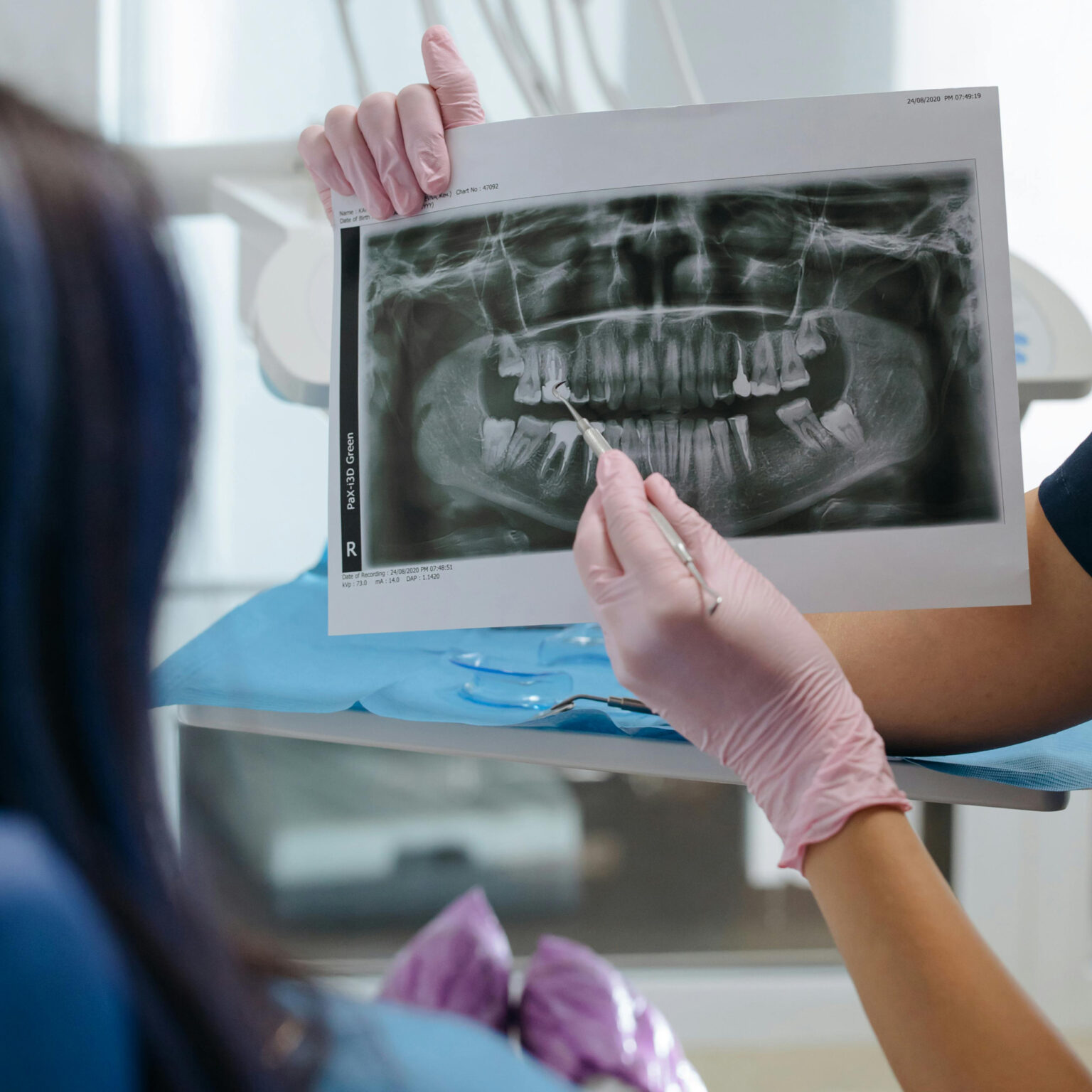
That is why implant placement in teenagers and some very young adults requires caution. The exact age when growth is complete varies by person. Many women finish earlier than men, but there is no universal cutoff that works for every case. Clinical exam findings, x-rays, facial growth patterns, and sometimes comparison imaging over time help determine readiness.
For younger adults in their twenties, the concern usually shifts away from growth and toward long-term planning. A 25-year-old receiving an implant is potentially asking that restoration to serve for many decades. That changes the conversation. The bite must be stable. The patient has to understand maintenance. Night grinding becomes more important. Soft tissue esthetics become a bigger issue, because a restoration in the smile zone has to age gracefully over time.
I have seen younger patients who were technically excellent candidates but still benefited from slowing down and planning carefully. In one common scenario, a patient loses a front tooth in a cycling or gym-related accident. The urgency is emotional and understandable. They want the tooth replaced quickly, and often they can have a temporary solution right away. But the final implant timing may depend on the condition of the bone and gum tissue after trauma. Rushing can produce a fast answer, but not always the best one.
The forties and fifties are often the prime implant years
Many implant patients fall into middle adulthood, and clinically this is often the easiest age range for implant treatment. By this stage, jaw growth is long complete, lifestyle patterns are clearer, and the reasons for tooth loss are often straightforward. A heavily restored molar fractures. An old crown fails. A root canal tooth develops a vertical crack. A bridge no longer makes sense, especially if the neighboring teeth are healthy and should not be cut down.
Patients in this age group usually ask a practical question: is an implant worth it compared with another bridge, another root canal attempt, or a removable appliance? Often the answer is yes, because an implant can preserve bone, avoid preparing adjacent teeth, and restore chewing function in a very natural way. But middle age also introduces issues that younger patients may not yet face.
Gum recession may be more visible. Bone may have thinned after years of missing a tooth. Bite wear from clenching or grinding can be substantial. Some patients have early diabetes, autoimmune conditions, or are taking medications that influence healing. None of this rules out treatment. It simply means the planning becomes more exact.
This is also the age when patients start appreciating the difference between a tooth replacement and a long-term reconstruction strategy. Replacing one missing tooth is one thing. Managing an aging dentition is another. A good implant plan in the forties or fifties should account for what the rest of the mouth is likely to do over the next ten to twenty years.
Older adults are often better candidates than they expect
One of the most satisfying parts of implant dentistry is seeing older adults realize they are not automatically disqualified. Many people over 65 assume implants are for younger patients. In practice, healthy seniors can do extremely well.
The benefits for older adults are often substantial. A stable implant can improve chewing efficiency, help support facial structure, and eliminate the movement and irritation associated with a loose removable partial or denture. For some patients, replacing even two or four strategic teeth changes how they eat and speak every day. For others, implant-supported dentures can dramatically improve quality of life compared with a lower denture that slides during meals.
What changes with age is less the concept of implants and more the care needed in assessing risk. Healing may be slower. Bone can be less dense in some areas. Dry mouth is more common, often due to medications. There may be a longer list of medical conditions to review, including osteoporosis, diabetes, heart disease, or prior cancer treatment. Fine motor limitations can affect hygiene. If someone has arthritis in the hands, brushing around implants and using floss alternatives may require practical adjustments.
None of these issues automatically prevent treatment. They simply mean older adults benefit from careful screening, realistic sequencing, and clear maintenance instructions. A healthy 78-year-old who wants one lower molar implant may have a very routine experience. An 82-year-old with advanced periodontal disease, uncontrolled diabetes, and a decade-old ill-fitting denture may still be treatable, but the path will look different.
Bone quality changes with age, and that affects planning
Bone is one of the most age-sensitive factors in implant dentistry. People often assume there is either enough bone or not enough bone, but the situation is more nuanced. Quantity matters, meaning height and width. Quality matters too, meaning density and structure.
After a tooth is lost, the jawbone in that area begins to resorb. This process can be significant in the first year and then continue more gradually over time. That means age itself is not always the reason for limited bone. Sometimes the bigger issue is how long the tooth has been missing. A 45-year-old who lost a molar at 25 may have more bone loss at that site than a 70-year-old who lost a tooth six months ago.
The upper back jaw often presents softer bone, especially near the sinus. The lower front tends to be denser. Older adults may show more resorption overall, particularly if they have worn dentures for years. That can affect implant length, width, angulation, and whether grafting is recommended.
Bone grafting sounds intimidating to patients, but in many cases it is routine. Minor grafting at the time of extraction can preserve ridge shape. A sinus lift may create enough space for upper implants. Ridge augmentation may rebuild lost width. The key is that age influences how likely these steps are, but it does not mean they will be extensive or unsuccessful.
Healing speed changes, but predictability can remain high
Healing does tend to slow somewhat with age. Younger patients often form soft tissue quickly and may show robust early bone activity. Older patients may take longer to reach the same biological milestones. That affects timeline expectations more than final potential.
A younger patient might move from extraction to implant to crown on a relatively fast schedule if the bone and tissues cooperate. An older patient, or one with complex medical history, may benefit from a more staged approach. That could mean extracting a failing tooth, grafting the site, waiting several months, placing the implant, then allowing additional healing before restoring it. From the patient perspective, that can feel slower. From the clinician perspective, it may be the safer and more predictable route.
This is one area where expectations matter. People often compare implant treatment to getting a filling or crown and are surprised by the months involved. Age can stretch that timeline a bit, but not necessarily in a problematic way. The goal is not speed for its own sake. The goal is a stable implant that looks right, functions properly, and remains healthy for years.
Medical conditions become more relevant with age
Age itself does not doom an implant. Poorly controlled systemic disease is a different matter. As people get older, the chances of managing one or more chronic conditions increase. Those conditions can influence inflammation, circulation, immunity, and bone turnover.
Diabetes is a common example. Well-controlled diabetes is often compatible with successful implant treatment. Poorly controlled diabetes raises concern because wound healing may be impaired and infection risk can increase. Smoking creates similar issues across age groups, but the cumulative effects often become more visible later in life. Heavy smokers tend to show more bone loss, more gum recession, and lower long-term implant predictability.
Osteoporosis and related medications deserve careful attention as well. Many patients hear a medication warning and assume implants are impossible. That is not automatically true. The actual risk depends on the specific drug, dose, route of administration, duration, and overall medical history. Oral medications for bone health present a different profile than high-dose intravenous medications used in certain cancer-related settings. This is exactly the kind of decision that requires coordination between the dental team and the patient’s physician when needed.
Cancer treatment history can also matter. Prior radiation to the jaws, some chemotherapy regimens, and certain immune-modulating drugs may alter planning or increase caution. Again, this is not a blanket no. It is a reminder that implant candidacy in older adults often depends on details.
Gum health often matters more than age
If there is one issue that quietly undermines implants across all age groups, it is untreated periodontal disease. Patients sometimes focus on the implant hardware and forget that implants still sit in living tissue. They need healthy gums and stable bone around them.
Older adults are more likely to have a history of gum disease, simply because it accumulates over time. If someone has lost teeth due to periodontal disease, the remaining teeth and future implants are at greater risk unless that disease is controlled. It is not enough to place an implant into a mouth where inflammation remains active.
This is where the consultation can become more comprehensive than expected. A patient may come in for one missing tooth, but the better conversation includes gum measurements, bone levels, plaque control, and the stability oaksdentistry.com Dental Implants Calabasas CA of the rest of the dentition. In many cases, implant treatment should follow periodontal stabilization, not precede it.
A patient in their late sixties with excellent hygiene and regular maintenance may be a much easier implant case than a patient in their forties with generalized bleeding gums and years of deferred care. The mouth rarely rewards shortcuts.
The esthetic conversation changes by age group
Younger patients often care intensely about natural appearance, especially for front teeth, and rightly so. The contour of the gumline, the translucency of the crown, and the way the implant site matches neighboring teeth can be emotionally significant. Small discrepancies that might go unnoticed in the back of the mouth become obvious in the smile.
Older patients may be just as concerned about appearance, but they often place equal emphasis on comfort and function. Someone who has struggled with a loose lower denture for ten years may care more about eating a salad or speaking confidently than about the last degree of surface characterization on a crown. That said, esthetics should never be dismissed based on age. Some of the most exacting cosmetic implant cases involve patients in their sixties and seventies who want their smile to look natural, not artificial.
Age also affects soft tissue support. As gums recede and bone changes, maintaining ideal papilla fill between teeth and implants can become more challenging. Skilled planning helps, but patients should understand that replacing a tooth is not always the same as recreating the exact tissues that existed decades earlier.
Lifestyle can outweigh age on both ends of the spectrum
A patient’s habits often tell more about implant prognosis than age does. Heavy grinding can overload an implant crown. Vaping and smoking can compromise soft tissue health. Poor sleep and unmanaged stress can worsen clenching. Inadequate hygiene can inflame the tissues around an implant just as it can around a natural tooth.
Calabasas patients often lead active, appearance-conscious lives, and that can shape treatment decisions in useful ways. People may be highly motivated to restore a complete smile and protect long-term oral health. They may also expect efficiency and minimal disruption. Those expectations are reasonable, but they need to be matched with biological reality. If grafting is necessary, it is necessary. If a temporary restoration is the right move while the site matures, that patience usually pays off.
One of the most practical discussions I see involves athletic and recreational habits. A younger or middle-aged patient who mountain bikes, boxes, or plays competitive sports may need guidance about trauma protection after implant restoration. A night guard may be advised for a grinder regardless of age. These are not side notes. They are often central to longevity.
What a thorough age-sensitive implant evaluation should cover
A strong implant consultation should feel less like a sales pitch and more like a risk assessment tailored to the person in front of you. Age belongs in that conversation, but only as part of a broader clinical picture. The most useful evaluation usually covers several points in detail:
- Bone levels and bone quality at the missing tooth site, including whether grafting is likely.
- Gum health and any history of periodontal disease or ongoing inflammation.
- Medical conditions, medications, and healing factors that may influence timing or predictability.
- Bite forces, grinding habits, and how the implant will function within the whole mouth.
- Esthetic goals, especially if the implant is in the smile zone.
When this review is done carefully, age starts to make sense in context. It stops being a yes-or-no screening tool and becomes one variable among several that shape the treatment sequence.
When waiting is smarter than treating immediately
There are cases where age-related judgment means delaying implants rather than pushing forward. A very young adult may need to wait for growth completion. A patient in midlife may need periodontal therapy first. An older adult recovering from a recent medical event may be better served by postponing surgery until their health stabilizes.
This can frustrate patients, especially if they have already adjusted emotionally to the idea of getting the implant soon. But some of the best clinical decisions are the ones that prevent future regret. A few months of waiting can mean better bone preservation, a more esthetic result, a lower risk of failure, or a simpler restoration.
There is also the opposite situation, where waiting too long is the bigger mistake. When a tooth is failing but still salvageable only at high cost and uncertain prognosis, some patients spend years trying to patch it because they fear surgery. By the time they are ready for an implant, the surrounding bone has deteriorated and the procedure is more involved. The ideal timing is not always immediate, but it is rarely indefinite.
Cost, longevity, and age-related value
Patients often phrase the financial question in age-based terms. A younger person may ask whether it makes sense to invest in an implant so early in life. An older person may wonder whether they are too old for the investment to be worthwhile.
The better way to think about value is function over time. For a younger adult, an implant may preserve neighboring teeth and provide decades of service if maintained well. For an older adult, the value may be even more immediate, restoring comfortable chewing, stabilizing a prosthesis, and reducing the daily burden of removable appliances.
Longevity is never guaranteed. Crowns may need replacement. Screws can loosen. Gum and bone levels can change. But well-managed implants generally offer a durable solution across age groups, especially when patients commit to maintenance visits and home care.
The better question to ask in Calabasas
Instead of asking, “Am I too old for implants?” or “Am I too young?” a more useful question is, “How does my age interact with my bone, gums, health, and goals?” That is the question that leads to a serious answer.
For patients exploring Dental Implants Calabasas CA, age should be seen as a planning variable, not a verdict. It helps determine timing. It influences healing. It may increase the need for grafting or medical coordination. It can affect esthetic strategy and long-term maintenance. But on its own, it rarely defines success.
Good implant dentistry is not about fitting patients into age categories. It is about matching biology, function, and expectations. A teenager still growing may need to wait. A healthy person in their fifties may be in an ideal window. A vigorous seventy-five-year-old may be an excellent candidate for a single implant or a full-arch solution. The right answer comes from examination, imaging, medical review, and clinical judgment, not from assumptions.
That is why the most responsible implant recommendations often sound measured rather than dramatic. Sometimes the answer is yes, now. Sometimes it is yes, but after grafting or periodontal treatment. Sometimes it is not yet. The age-related difference lies in knowing which of those answers is the right one, and why.
Oaks Dental
5000 Parkway Calabasas, Suite 308
Calabasas, CA 91302, United States
Phone: +1 (818) 412-8349
FAQ About Dental Implants Calabasas CA
How much does a dental implant cost in California?
Costs vary with the number of teeth replaced, restoration type, imaging, and any extractions or bone grafting. Request an itemized estimate after an examination; a single advertised price may not include every treatment stage.
Can people with autoimmune disease get dental implants?
Some people may qualify, but the condition, medications, oral health, and healing risks require individual assessment. Share your medical history with your dentist, who may coordinate with your treating physician.
Can you have dental implants if you have osteopenia?
Osteopenia does not by itself establish whether implants are suitable. Your dentist must evaluate jawbone support and review bone-related medications and other risks before recommending treatment.