Dental Implants Calabasas CA for Long-Lasting Smile Results
A missing tooth changes more than a smile. It can alter the way a person eats, the way words land, and even the way the jawbone holds its shape over time. In a place like Calabasas, where people tend to value both health and appearance, dental implants often come up for good reason. They do not simply fill a gap. When planned and placed well, they can restore function, support bone, and create a result that feels remarkably close to a natural tooth.
Patients often arrive assuming implants are mainly cosmetic. That is understandable, especially when the first thing they notice is the empty space in a visible area. Yet the real value goes deeper. A missing tooth leaves the jawbone without the regular stimulation it gets from chewing. Over months and years, the bone in that area can shrink. Neighboring teeth may drift. Bite pressure can shift. Those changes rarely happen overnight, which is part of the problem. People adapt, then realize later that the single missing tooth they ignored affected far more than they expected.
That is why conversations about Dental Implants Calabasas CA tend to be practical as much as aesthetic. The goal is not just to make a smile look complete on the day the crown goes in. The goal is to create a stable, healthy result that still serves the patient well years down the line.
Why implants have become the standard for tooth replacement
Dentures and bridges still have an important place in dentistry. They can solve real problems, and for some patients they are the right choice. But implants changed the standard because they address the root of the tooth, not only the visible crown.
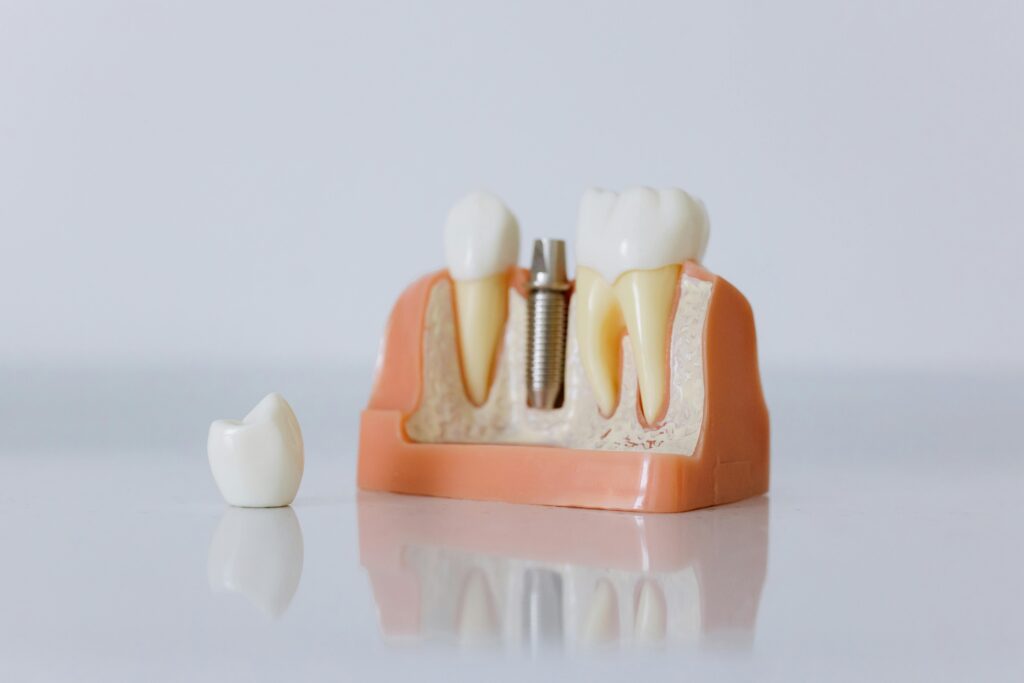
A dental implant is typically a small titanium or ceramic post placed into the jawbone where the tooth root used to be. After healing, an abutment and custom crown are attached. Once integrated, the implant helps support the surrounding bone and stands independently, which means adjacent teeth usually do not need to be ground down the way they often are for a traditional bridge.
That independence matters. In daily practice, one of the most common regrets people express about older bridgework is that a previously healthy neighboring tooth had to be altered to support it. Bridges can function very well, but they ask something from the teeth on either side. Implants, when feasible, do not.
The day-to-day experience also tends to be more natural. Patients often describe the difference in simple terms. They chew steak without thinking about one side versus the other. They bite into an apple without that split second of hesitation. They smile in photos and forget the tooth was ever missing. Those are small moments, but they add up.
What makes a long-lasting implant result
Longevity is where expectations need to be grounded in reality. An implant can last for many years, often decades, but that outcome depends on several factors. No ethical dentist should promise a lifetime guarantee as if every mouth ages in the same way. Bone quality, gum health, medical history, bite force, smoking status, and home care all matter.
The implant itself is only one part of the equation. The crown on top has its own wear pattern and may need maintenance or replacement before the implant body does. Someone who clenches heavily at night can place enormous force on a restoration. A patient with poorly controlled diabetes may heal more slowly or face greater risk of complications. A smoker may see reduced blood flow that affects gum and bone health around the implant. These are not reasons to avoid discussing treatment. They are reasons to plan carefully.
In well-managed cases, though, implants are impressively durable. The strongest outcomes tend to share the same traits: accurate diagnosis, thoughtful surgical planning, healthy gums, solid bone support, and a patient who understands maintenance is not optional.
The Calabasas factor: lifestyle, expectations, and clinical planning
Patients seeking Dental Implants Calabasas CA often bring a specific set of expectations. They want a result that functions well, looks refined, and fits smoothly into a busy life. Many are balancing work, family schedules, travel, public-facing careers, or social commitments. That does not change the biology of implant healing, but it does affect treatment planning.
For example, timing matters. A patient may have an important event coming up and want to know whether a front tooth can be extracted and replaced quickly. Sometimes the answer is yes, with immediate implant placement or a temporary tooth placed the same day. Sometimes the answer is no, because the infection level, bone condition, or gum architecture makes a delayed approach safer and more predictable. The experienced clinician knows when speed helps and when it compromises the outcome.
Aesthetic demands also tend to be higher for front teeth, as they should be. Matching the shape, translucency, and gum contour of a natural incisor requires a different level of planning than replacing a back molar no one sees when the patient smiles. The implant position must be exact in three dimensions. A fraction too far forward or too deep can create challenges with the final appearance. This is why strong restorative and surgical coordination matters so much.
Who tends to be a good candidate
Not every patient is an automatic implant candidate on day one, but many more people qualify than they expect. Good candidacy is less about age and more about oral and systemic conditions.
- Healthy gums or gum disease that can be treated and stabilized
- Adequate bone volume, or a willingness to consider bone grafting if needed
- Medical conditions that are reasonably controlled
- Commitment to home care and regular maintenance visits
- Realistic expectations about timing, healing, and cost
Older adults sometimes assume they are too old for implants. Often they are not. A healthy person in their seventies may be a far better candidate than a much younger smoker with advanced gum disease and poor oral hygiene. The reverse can happen too. Youth does not guarantee ideal bone or good habits.
One detail worth emphasizing is gum disease. Implant treatment and active periodontal disease do not mix well. If the gums are inflamed and the mouth is full of bacterial buildup, that needs to be addressed first. A stable implant placed into an unhealthy oral environment is at higher risk from the start.
The planning stage is where much of the success is won
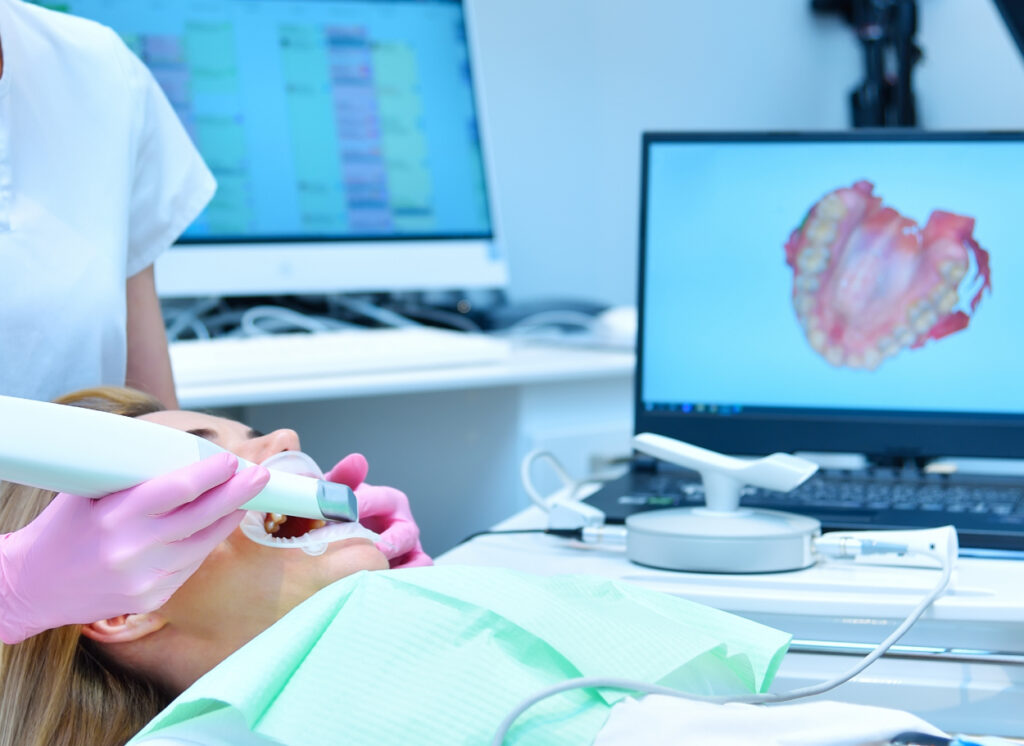
Patients tend to focus on the day of surgery, but much of the real work happens before any implant is placed. A careful evaluation typically includes a clinical exam, digital imaging, and a review of bite forces, gum condition, and health history. Three-dimensional scans are especially useful because they reveal bone width and height, sinus position in the upper jaw, and the location of important nerves in the lower jaw.
This is also the point where trade-offs become clear. Suppose a patient lost a lower molar years ago. The bone may have narrowed, and the opposing tooth may have drifted down into the space. Simply placing an implant is no longer a simple matter. The treatment may involve orthodontic adjustment, grafting, or alteration of the bite. A less experienced office might gloss over those details in an effort to simplify the conversation. A good one explains them plainly.
A front tooth case can be even more nuanced. If the gum line is already uneven or the bone plate is thin, preserving or rebuilding soft tissue may be just as important as placing the implant. This is one reason outcomes vary so much between practices. The hardware may be similar. The diagnosis, surgical judgment, and restorative precision are not.
Bone grafting sounds intimidating, but it is common
Bone loss around a missing tooth is common, especially when the tooth has been absent for a while or came out because of infection. Grafting is often used to rebuild or preserve that site. For many patients, hearing the words "bone graft" creates instant anxiety. In reality, it is a standard part of implant dentistry and often makes the difference between a borderline case and a highly predictable one.
Sometimes grafting is done at the time of extraction to preserve the socket. Sometimes it is done months later to widen or heighten a deficient ridge. In the upper back jaw, a sinus lift may be recommended when there is not enough vertical bone for an implant. None of these procedures should be minimized, but they also should not be dramatized. In experienced hands, they are routine elements of implant care.
Healing timelines vary. Some grafts mature in a few months. Others need longer. Patients who understand that good biology cannot be rushed are generally happier with the process. The fastest treatment plan is not always the best one.
What treatment feels like from the patient side
Most implant placements are easier on patients than they expect. That surprises people. The word "surgery" sounds heavy, and understandably so. Yet many patients report less discomfort after implant placement than they had after the failing tooth was removed, especially if that tooth had chronic infection or fracture pain.
Local anesthesia is usually sufficient, though sedation is an option for anxious patients or more involved procedures. After the appointment, soreness is common, but severe pain is not what most patients experience. There may be swelling for a few days, and the diet is often softer at first. A back-to-work timeline depends on the complexity of the case and the person’s comfort level, but many return to normal routines quickly.
Healing then moves into a quieter phase. The implant integrates with bone over time, and the visible part of treatment may seem uneventful for weeks or months. That does not mean nothing is happening. This biologic bonding process is what gives implants their stability.
Single tooth, multiple teeth, or full arch replacement
The phrase Dental Implants Calabasas CA can refer to several different treatments, and they should not be lumped together as if they are interchangeable.
A single-tooth implant is often the most straightforward. It replaces one missing tooth without depending on adjacent teeth. If the neighboring teeth are healthy, this option is usually appealing because it preserves their structure.
Multiple implants can support several missing teeth, either with individual crowns or with a bridge anchored by implants. The exact design depends on spacing, bite load, bone availability, and budget. In some areas of the mouth, one implant per missing tooth makes sense. In others, a carefully designed implant bridge can achieve excellent function with fewer implants.
Full arch treatment is a different category altogether. These cases involve replacing an entire upper or lower set of teeth, sometimes with a fixed prosthesis supported by four or more implants. For the right patient, this can be life-changing. It is also more complex in terms of planning, surgery, and maintenance. Patients deserve clear explanations here, especially around what is fixed, what can be removed only by the dentist, and what cleaning responsibilities remain at home.
The cosmetic side matters, especially in the smile zone
An implant in the back of the mouth can be judged mostly by strength and comfort. A front tooth must meet a higher bar. Color match, gum contour, tooth proportion, and the way light reflects from the ceramic all influence whether the result disappears naturally into the smile.
This is where materials and craftsmanship matter. A beautifully integrated implant can still look wrong if the final crown is too opaque, too long, too square, or poorly aligned with the adjacent teeth. On the other hand, a meticulous restoration can make even a complex case look effortless.
A patient once described a successful front tooth implant by saying, "I stopped checking it in mirrors." That is a strong compliment. The best aesthetic dentistry is often the dentistry people stop noticing.
Temporary restorations can also play an Dental Implants Calabasas CA important role in shaping the gum tissue before the final crown is made. This is one of those details patients do not usually know to ask about, but it can be central to the result. In the hands of a thoughtful restorative team, the temporary phase is not filler time. It is part of the design process.
Maintenance is where long-term success is protected
Implants do not get cavities, but they are not maintenance-free. The tissue around them can become inflamed, and bone loss can occur if plaque accumulates or bite forces go unmanaged. That is why the phrase "just like a natural tooth" needs a little nuance. Implants can feel natural and function naturally, but they still require disciplined care.
Patients with long-lasting implant success usually have a few habits in common. They keep their recall visits. They use the cleaning tools recommended for their specific restoration. They do not ignore bleeding gums. If they grind their teeth, they wear the night guard. It sounds basic, but basic is often what protects expensive dentistry.
A common problem is that people assume a fixed implant crown needs no special attention because it does not come out. In reality, flossing technique around implants matters. So does the shape of the restoration and whether there are areas that trap debris. This is why maintenance visits are not just a quick polish. A good hygiene team evaluates tissue health, pocket depth, plaque retention, and signs of overload.
Costs, value, and what patients are really paying for
Implants are an investment, and patients deserve straight talk about that. Fees vary based on the number of implants, need for grafting, imaging, sedation, temporary teeth, and the type of final restoration. A single straightforward implant case is very different from a front tooth case with tissue grafting or a full-arch reconstruction.
The temptation is to compare prices in a vacuum. That rarely tells the whole story. Two treatment quotes may sound similar on the surface but include different planning standards, materials, or follow-up protocols. One may account for custom abutments and detailed temporization. Another may not. One may be built around comprehensive diagnostics and a coordinated specialist-restorative approach. Another may rely on a more generic workflow.
Patients are not just paying for a screw in the bone. They are paying for diagnosis, judgment, surgical execution, restorative design, laboratory work, and follow-through. When done right, the value lies in stability, comfort, and fewer compromises over time.
Questions worth asking at the consultation
A consultation should feel clear, not rushed. If a patient leaves with a glossy promise but little understanding of the process, that is not a good sign. These questions usually lead to useful answers:
- Am I a candidate for immediate placement, or is delayed treatment safer in my case?
- Will I need bone grafting or gum tissue grafting for a predictable result?
- How will the final tooth be designed to match my bite and neighboring teeth?
- What maintenance will this restoration need over time?
- If complications arise, how are they typically handled in this office?
The best providers answer without defensiveness. They explain alternatives as well, including the reasons a bridge or removable option might be more appropriate in some cases. That kind of transparency tends to correlate with better care.
Common reasons implants fail, and how to reduce the risk
Implant failure is not the norm, but it does happen. Early failures often involve problems with healing or integration. Later failures may relate to inflammation around the implant, excessive bite force, untreated gum disease, or inconsistent maintenance. Smoking remains a major risk factor. So does uncontrolled diabetes.
There are also design-related problems that are less obvious to patients. An implant placed at a poor angle may still integrate, yet create restorative compromises that increase stress or make cleaning difficult. A crown with an overly bulky contour can trap plaque around the gumline. A full-arch case with limited hygiene access can look impressive at delivery and become difficult to maintain within a year or two.
Reducing risk starts with case selection and honest planning. It continues with good surgery, careful prosthetic design, and patient cooperation after treatment. There is no glamorous shortcut around those fundamentals.
Why timing matters more than many people think
Many patients wait because the missing tooth is not hurting. That is understandable, but delay can make treatment more involved. Bone resorption begins after extraction. Nearby teeth can lean. Opposing teeth can over-erupt into the open space. Gum architecture can flatten, which is particularly significant for front teeth.
That does not mean every missing tooth requires immediate action. Life, budget, and health priorities are real. It does mean patients should understand the trade-off. Waiting can reduce options or increase the need for grafting later. Even if treatment cannot begin right away, an early consultation often helps with planning. Sometimes preserving a site at the time of extraction keeps future treatment much simpler.
Choosing the right office for Dental Implants Calabasas CA
Technical skill matters, but so does coordination. Implant dentistry tends to go best when the diagnostic, surgical, and restorative phases are all aligned. In some practices one doctor manages everything. In others, a general dentist and specialist work together. Either model can succeed if communication is strong and the plan is coherent from the beginning.
Look for clarity rather than hype. A solid implant consultation should address bone quality, gum status, timing, alternatives, temporary tooth options, likely maintenance, and total costs. It should also reflect your priorities. Some patients care most about the fastest fixed solution. Others care most about preserving tissue for a highly aesthetic front tooth result. Those are not always the same path.
The strongest implant outcomes often come from offices that do not oversell. They explain what is possible, what is uncertain, and what can be improved with additional procedures. They respect the biology instead of trying to market around it.
For patients considering Dental Implants Calabasas CA, that balance matters. The best long-lasting smile results come from treatment that is both precise and realistic, attractive and durable, ambitious where appropriate and conservative where necessary. When those pieces line up, an implant does more than replace a missing tooth. It restores confidence Dental Implants Calabasas CA in the most practical sense, one meal, one conversation, and one unguarded smile at a time.
Oaks Dental
5000 Parkway Calabasas, Suite 308
Calabasas, CA 91302, United States
Phone: +1 (818) 412-8349
FAQ About Dental Implants Calabasas CA
How much does a dental implant cost in California?
Costs vary with the number of teeth replaced, restoration type, imaging, and any extractions or bone grafting. Request an itemized estimate after an examination; a single advertised price may not include every treatment stage.
Can people with autoimmune disease get dental implants?
Some people may qualify, but the condition, medications, oral health, and healing risks require individual assessment. Share your medical history with your dentist, who may coordinate with your treating physician.
Can you have dental implants if you have osteopenia?
Osteopenia does not by itself establish whether implants are suitable. Your dentist must evaluate jawbone support and review bone-related medications and other risks before recommending treatment.